Altstadt Passau Photos


Recommended Reviews - Altstadt Passau
Start your review...



We spent one night in Passau before boarding our Danube river cruise. The town was quaint and easy to navigate. The Old Town has several churches, medieval buildings, shops and restaurants worth visiting. Their pedestrian area makes it easy to stroll and enjoy the city. read more


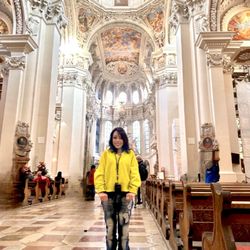
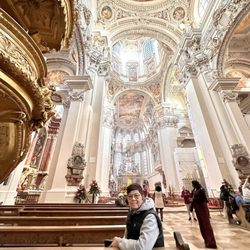
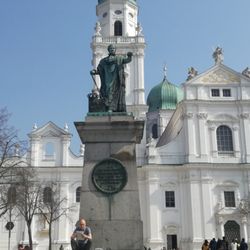
What a quaint little town. So much to see, it's amazing. Most famously the St. Stephan Dome. A spectacular cathedral. Much smaller but also very picturesque and interesting is the St. Paul church. There are beautiful historic buildings all over, including a wonderful garden next to the tunnel adjacent to St. Pauls. Find cool little cafes and shops along the narrow cobblestone street. Careful though, traffic flows a lot faster than you would expect here. There is both old and new art in every corner it seems. read more


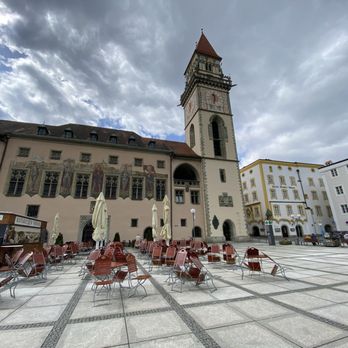
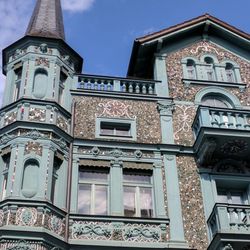
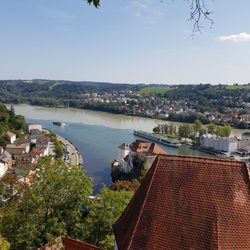
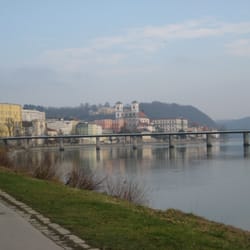
Passau was founded by the Celts more than 2,000 years ago, and is known as the "city of three rivers", because this is where the Danube, Inn, and Ilz rivers meet. Old Town Passau is very walkable, and has many colorful buildings. I recommend walking the path along the Inn and Danube, since it's very picturesque with the rivers, bridges, buildings, and even a nice view of the fortress. The Town Hall building is another nice spot, as it has a clock bell tower that played as we were walking by (11:30). read more

5 years ago
Settled by the Celts more than 2,000 years ago Passau is located in the far west corner of Germany as it borders Austria. During the 2nd century BC. Germanic tribes (Batavi) were forced by Imperial Rome to flee cross the Alps into the area which is now Passau. Today, Passau is a river port city at the confluence of the Blue Danube, Green Inn and Black Llz rivers. Passau has a history of major flooding the most recent was in 2013. It is also the site of many attractions. Perhaps the major attraction is Saint Stephen's Church pipe organ which boasts 17,774 pipes and 233 registers. It is the second largest pipe organ in the world. Performances of the pipe organ occur daily from May to November. To hear Bach selections played in this venue is extraordinary. Other attractions include: the Veste Oberhaus (1219), which today houses a museum and shops. There are great views of the Altstadt of Passau from here. ST. Michaels and St. Paul (1667)' churches are worth exploring. The Scharfrichterhaus offers jazz and cabaret stage productions. The Old Town Hall (1446) has a tour option. Checkout the Schaibling Strum tower built in 1250. While walking the narrow cobble stone streets look for the Artist's alley. It is quaint, unique boutique shops and eating options. Passau is also a college town with over 12,000 students. The Glass Museum features an extensive collection of glass works from the 1600's to the 1900's and if you can appreciate glass art, it is well worth the nominal fee. For those that enjoy biking. the bike path which runs along the Danube river called the Route of Emperors and Kings runs all the way to Vienna, Austria. read more


More info about Altstadt Passau
Altstadt Passau Reviews in Other Languages














Why does Yelp recommend reviews?
1 review that is not currently recommended
The reviews below are not factored into the business's overall star rating.

15 years ago


