Aloha Tower Photos


More like Aloha Tower
Recommended Reviews - Aloha Tower
Start your review...


Reviews With Photos


Italy's oldest naval vessel, the historic Italian Naval ship, Amerigo Vespucci, docked in Honolulu for public tours. Lots of families with children showed up to visit the ship. It's a beautiful ship.


Aloha Tower has been a fixture at Honolulu 's port since it was built a hundred years(?) ago. For its first 40 years, it was Hawaii's tallest building. It suffered damage when the Japanese attacked Pearl Harbor. When we visited, the tower was closed and the shopping mall around it was largely empty...although the cruise terminal nearby was hopping.


Even though you can't get to the top of the tower currently the little plaza and tower itself is pretty and majestic. The plaza has some beautiful views for sunsets and a few places to eat at and kick back. We got there, right at sunset and it was really pretty!


Chances are you've see this place before. On postcards, in pictures or on TV. This was built in 1926. It was prominent the very first time I came to Hawaii, long before the area was overtaken by modern/high rise buildings. Today it's tucked away, obscured by progress. After eating and knowing it was by the restaurant we took a walk over. There are a few old plaques and history of the tower. It's cool to see icons from another era. Especially when you see it first hand. I don't know if there's access to the interior of the tower. However there are stairs locked behind a gate. Unfortunately there's not much else to do other than look & take pics.


No. You should not make a special trip just to see the tower up close. The "Aloha Tower" is a retired lighthouse. It is an iconic structure in Honolulu--and from a distance, it's beautiful. It looks less impressive up close because of maintenance issues. In fact, if you take a city tour that includes the tower in the itinerary, they probably just drive past and allow you a photo opportunity from the bus. Even though "COVID is over", the observation deck still has not reopened.


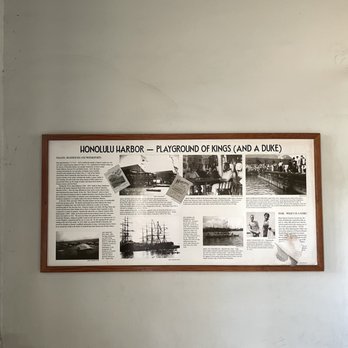
This is an iconic piece of architecture in the downtown Honolulu area. It used to be the tallest structure in Hawaii. From afar, it is beautiful to look at. However, up close, it's not much to write home about. The informational posters at the base were not well maintained. I think the stairs were being renovated and the observation deck was not open to the public when I visited so there wasn't much to see. It's adjacent to a marketplace with a few shops and restaurants, as well as the college campus which had lots of students bustling around.


It's not spectacular, but it's a big piece of Oahu history. Pier 10's Aloha Tower was once the lighthouse for the harbor. It is now a tourist attraction with shops at one of the two cruiseship docks. It's worth walking around the area & you'll recognize the tower from the opening of both Hawaii 5-0 series


Aloha Tower has changed over the years, but it is still nostalgic to visit periodically. You can look at the historic landmarks here or you can walk around and browse the shops. There are also restaurants and bars if you're hungry or thirsty. I like to come here and look at the fishes. Several shops validate parking as well.


Stop in to have a look at the Aloha Tower once tallest building in Honolulu. Was the first building you would see from air and sea. Due to Covid we were not able to go to the top of the tower. For a Saturday we saw barely any other tourist was a ghost town. Now don't get us wrong, we enjoyed reading all the literature on the history of Aloha Tower and taking pictures without the crowd. Enjoyed our time there.


23 November 2020 My mother had an early morning appointment downtown and we arrived much earlier than her appointment time to avoid all the potential traffice and to find parking. So, we took the time to walk around downtown and ended up at the Aloha Tower. It was about 6:30 a.m. when we arrived (it is typically open at 9 a.m. to 5 p.m. according to the website). This was perfect because there was no one in the vicinity except for security guards. This gave us the opportunity to explore the area and take pictures without having to worry about tourists or other visitors. There is a ship docked but being so early I assume all the passengers were still sleeping or doing their morning routine (also assuming there are passengers aboard). Businesses in the Aloha Marketplace were also closed. There appears to be construction going on but that did not impede the outer view of the tower and the port. There are informational boards outside the tower that explains it's historic significance. The baords are a bit faded but still readable. I guess being this early or maybe the construction or maybe the lockdown from covid19, internal access to the tower is closed and blocked off. Although my nephew was a bit disappointed that he was unable to go up and look out from the view of the tower, he was still excited to see the tower since he learned about it at school. We will definitely be back at a later date and time to get a view from inside the tower and experience it fully.


Cool little music venue. Read about the history of the clock tower and that was pretty cool. I will say it's a small venue. We went to the KCCN birthday bash and let me just say it was a good time. We were pleasantly surprised by the food stands offered. Drink prices were what we expected, $13 for a 24 oz. The parking lot was $10, could've been worst. You could always try for after parking but you'll probable just end up at the parking lot.


I visited the night market with family and it was pretty fun. Live music lots of food, but sadly no vegetarian options. The Aloha Tower itself has very little going on outside of the school that takes up most of the space. Probably not really worth a visit unless there's a special event.


One of Honolulu's famous landmarks. I remember taking long walks to this place as a little kid in the early 90s and now I take my kids here from time to time whether on bike, car, or just walking. The restaurants and stores aren't the best overall, some would consider it being a boring location to go to, but during the daytime, I just simply enjoy riding the ancient scary old-school elevator to the very top of the tower to see the beautiful view of the city and ocean. Kinda wish I could've seen this tower in action as a lighthouse back it's day. It's beautiful to look at night too. Throughout the years, the colors of the lights would be different. The ocean view and the ships are always fun to look at. I wish the museum was still open for business. My kids really wanted to see what was inside. They've been closed down for a while now unless I've been unfortunately and coincidently coming here when they are closed lol. I used to see little hammerhead sharks and other tropical fishes right where you stand along the pier. There's an area where you used to be able to get fish food and throw them into the ocean. There are either metered parking or you can use the small parking lot directly across the property, but you have to validate your ticket. The stalls are small so don't be driving your lifted monster truck wheeled Tacomas. The parking lot can get dark and shady and not too many security visible so be vigilant especially when it's located across the street from Chinatown.


1 year ago
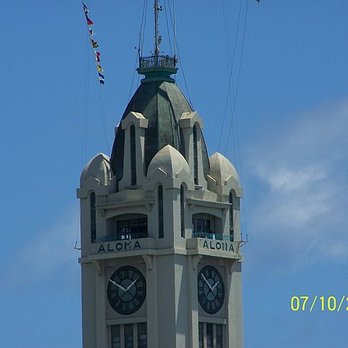
Aloha Towers is a historic lighthouse that stands near Pier 9 on the Honolulu Harbor. The structure was designed by Arthur Reynolds and construction was completed in 1926. The style of this unusual lighthouse is Gothic Revival with a strong Art Deco influence. This iconic structure once housed the harbor navigation master, responsible for directing ships into and out of the Harbor. A massive Howard clock tells accurate time on the lighthouse. I took an early morning walk around the lighthouse with my daughter. The structure appears to be undergoing some rehab as the entrance was boarded up. A large plaque tells the building's history with several interesting photos. In the past, visitors could ascend to a 10th floor observation deck and view the harbor. Today, the building is closed to visitors, but is a central focal point of the Marketplace. The Marketplace houses restaurants and shops which were not open during my visit. The lighthouse was a fun discovery for me, but would have been more impactful if the observation deck was still open to visitors. We found parking about two blacks away in a metered lot. There is no charge to walk around the base of the tower. read more


Towering landmark... At 99 and going close to 100 years old it's still shows proudly the Aloha Spirit going strong as to this day mom remembers vividly seeing this tower greet her as she arrived with dad to Hawai'i and to this day is one of the prominent structure easily viewed in many directions though in the past the observation deck gave you the stunning views the Oahu shoreline provides it now is closed and is just majestically stands there to welcome all with Aloha. You can find the tower easily right besides some shops and currently Old Spaghetti Factory and even Aloha Tower Luau "Ka Moana Luau" which offers a buffet dinner provided by Chart House along with a beautiful undisturbed view of the waterfront and evening sunset. Thank you! read more


Had lunch at the Spaghetti Factory today so I decided to walk around .Right around the corner the iconic Aloha Tower . Did you know back in the day Aloha Tower was the tallest building in Honolulu . I remember back in the day you could go to the top of the Aloha Tower. I'm not sure you still can . read more


Aloha Tower has been a fixture at Honolulu 's port since it was built a hundred years(?) ago. For its first 40 years, it was Hawaii's tallest building. It suffered damage when the Japanese attacked Pearl Harbor. When we visited, the tower was closed and the shopping mall around it was largely empty...although the cruise terminal nearby was hopping. read more


2 years ago
Even though you can't get to the top of the tower currently the little plaza and tower itself is pretty and majestic. The plaza has some beautiful views for sunsets and a few places to eat at and kick back. We got there, right at sunset and it was really pretty! read more


Chances are you've see this place before. On postcards, in pictures or on TV. This was built in 1926. It was prominent the very first time I came to Hawaii, long before the area was overtaken by modern/high rise buildings. Today it's tucked away, obscured by progress. After eating and knowing it was by the restaurant we took a walk over. There are a few old plaques and history of the tower. It's cool to see icons from another era. Especially when you see it first hand. I don't know if there's access to the interior of the tower. However there are stairs locked behind a gate. Unfortunately there's not much else to do other than look & take pics. read more


4 years ago
No. You should not make a special trip just to see the tower up close. The "Aloha Tower" is a retired lighthouse. It is an iconic structure in Honolulu--and from a distance, it's beautiful. It looks less impressive up close because of maintenance issues. In fact, if you take a city tour that includes the tower in the itinerary, they probably just drive past and allow you a photo opportunity from the bus. Even though "COVID is over", the observation deck still has not reopened. read more

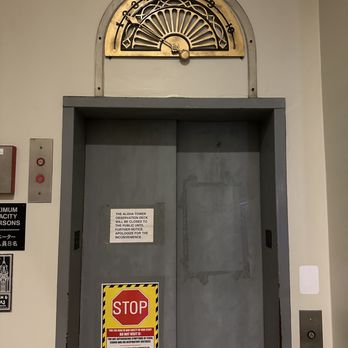

This is an iconic piece of architecture in the downtown Honolulu area. It used to be the tallest structure in Hawaii. From afar, it is beautiful to look at. However, up close, it's not much to write home about. The informational posters at the base were not well maintained. I think the stairs were being renovated and the observation deck was not open to the public when I visited so there wasn't much to see. It's adjacent to a marketplace with a few shops and restaurants, as well as the college campus which had lots of students bustling around. read more


It's not spectacular, but it's a big piece of Oahu history. Pier 10's Aloha Tower was once the lighthouse for the harbor. It is now a tourist attraction with shops at one of the two cruiseship docks. It's worth walking around the area & you'll recognize the tower from the opening of both Hawaii 5-0 series read more


4 years ago
Aloha Tower has changed over the years, but it is still nostalgic to visit periodically. You can look at the historic landmarks here or you can walk around and browse the shops. There are also restaurants and bars if you're hungry or thirsty. I like to come here and look at the fishes. Several shops validate parking as well. read more


5 years ago
Stop in to have a look at the Aloha Tower once tallest building in Honolulu. Was the first building you would see from air and sea. Due to Covid we were not able to go to the top of the tower. For a Saturday we saw barely any other tourist was a ghost town. Now don't get us wrong, we enjoyed reading all the literature on the history of Aloha Tower and taking pictures without the crowd. Enjoyed our time there. read more




6 years ago
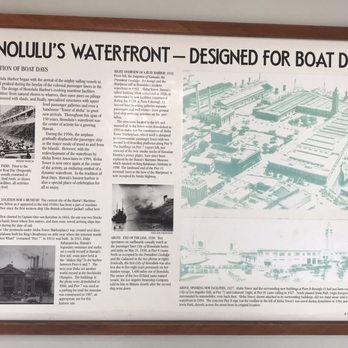
23 November 2020 My mother had an early morning appointment downtown and we arrived much earlier than her appointment time to avoid all the potential traffice and to find parking. So, we took the time to walk around downtown and ended up at the Aloha Tower. It was about 6:30 a.m. when we arrived (it is typically open at 9 a.m. to 5 p.m. according to the website). This was perfect because there was no one in the vicinity except for security guards. This gave us the opportunity to explore the area and take pictures without having to worry about tourists or other visitors. There is a ship docked but being so early I assume all the passengers were still sleeping or doing their morning routine (also assuming there are passengers aboard). Businesses in the Aloha Marketplace were also closed. There appears to be construction going on but that did not impede the outer view of the tower and the port. There are informational boards outside the tower that explains it's historic significance. The baords are a bit faded but still readable. I guess being this early or maybe the construction or maybe the lockdown from covid19, internal access to the tower is closed and blocked off. Although my nephew was a bit disappointed that he was unable to go up and look out from the view of the tower, he was still excited to see the tower since he learned about it at school. We will definitely be back at a later date and time to get a view from inside the tower and experience it fully. read more


Cool little music venue. Read about the history of the clock tower and that was pretty cool. I will say it's a small venue. We went to the KCCN birthday bash and let me just say it was a good time. We were pleasantly surprised by the food stands offered. Drink prices were what we expected, $13 for a 24 oz. The parking lot was $10, could've been worst. You could always try for after parking but you'll probable just end up at the parking lot. read more


I visited the night market with family and it was pretty fun. Live music lots of food, but sadly no vegetarian options. The Aloha Tower itself has very little going on outside of the school that takes up most of the space. Probably not really worth a visit unless there's a special event. read more


6 years ago
One of Honolulu's famous landmarks. I remember taking long walks to this place as a little kid in the early 90s and now I take my kids here from time to time whether on bike, car, or just walking. The restaurants and stores aren't the best overall, some would consider it being a boring location to go to, but during the daytime, I just simply enjoy riding the ancient scary old-school elevator to the very top of the tower to see the beautiful view of the city and ocean. Kinda wish I could've seen this tower in action as a lighthouse back it's day. It's beautiful to look at night too. Throughout the years, the colors of the lights would be different. The ocean view and the ships are always fun to look at. I wish the museum was still open for business. My kids really wanted to see what was inside. They've been closed down for a while now unless I've been unfortunately and coincidently coming here when they are closed lol. I used to see little hammerhead sharks and other tropical fishes right where you stand along the pier. There's an area where you used to be able to get fish food and throw them into the ocean. There are either metered parking or you can use the small parking lot directly across the property, but you have to validate your ticket. The stalls are small so don't be driving your lifted monster truck wheeled Tacomas. The parking lot can get dark and shady and not too many security visible so be vigilant especially when it's located across the street from Chinatown. read more


The views from the top of the Aloha Tower are truly priceless. You'll get an incredible view of Honolulu for the price of free 99! The Tower itself is a sight to see and can be viewed right from pier 9. Getting here may be an issue since parking can be a pain in the you know what. But if you don't mind taking public transit, there are several buses that will drop you off near the vicinity or right in front of the tower. The tower is accessible by elevator only and is located on the 10th floor. Prior to entering the elevator, you will need to undergo a bag check. The lady who checked my bags wasn't the friendliest, but hey... I would be bored if all I did was check people's bags all day too. Once you complete the bag check, you can make your way up to the 10th floor! The elevator is small, rickety, and super outdated. It was honestly a little scary taking it up to the top... but I survived! Once you get up there, all you'll really have IS the view. There's a small bench and one restroom located inside of the tower at the top. This isn't the greatest spot to hang out at if you're claustrophobic though. It's super tiny in the little room that's in between the tower. You can walk on the observation deck and take in all of the glorious views. I was able to take some great pictures of the Honolulu harbor and the downtown area. Although the views are really great... it's kind of boring up there. This trip took me all of 10 minutes to complete. You go up, take your pictures, and you're done. Eating at the little café was way more exciting to me than visiting the tower to be honest. It's worth a visit if it's your first time, but don't expect to spend too much time up there. read more


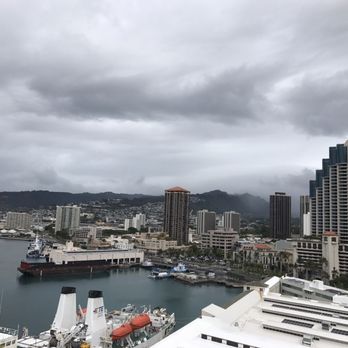


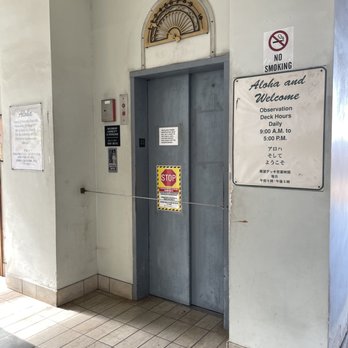
It's free observatory attraction. There is a security in front of elevator and need to have bag checked. On top, there is 4 sides of balconies. In my opinion, I liked Waikiki side and airport side. You will see airplane departure and landing. That was cool view. It's aged and historic building. Learning history around area was interesting too. read more


7 years ago
Like the Hawaiian Statue of Liberty, the Aloha Tower welcomed immigrants for decades. During WWII, it was painted camouflage. Today, it has an observation deck on the 10th floor, is surrounded by the Aloha Tower Marketplace (part of Hawai'i Pacific University,) and welcomes cruise ship tourists to the port of Honolulu. Don't expect much shopping geared toward tourists...HPU uses this space for residence halls and a few restaurants. But you can still go to the top of the historic tower and take in the views if you are in the area. read more


When I lived in Hawaii, I used to come to Aloha tower every weekend...and sometimes during my lunch breaks to eat or even during the night for dinner dates! I love the views from Aloha Tower. In 2008, it was still FREE to go up to the observation deck. Not sure if it is still free in 2018. From the 4 different observation decks you can see the mauka sides and the sea sides! Great views of Sand Island (industrial shipping ) and the famous buildings that make up Honolulu and Waikiki.... read more


4 years ago
It's dead. There's no one there . It's so sad. It could be so cool. But it's a ghost town. Not allowed in the tower until further notice. read more



This review is on the Tower, "Aloha Tower" and frosted with the Marketplace at the end of my review. Here is my story. The Aloha Tower was built in 1926 with the then ridiculous construction fee of $160,000. It is 10 stories tall with a 40' flag mast on its top. Once the tallest building in Honolulu today became a landmark as she still stands majestically, providing a destination for tourists to visit and view the city and harbor from the top of the tower. Located at Pier 9 in the Honolulu Harbor, the Tower was used as a defense station during World War II as well as a greeting point for cruising passengers riding then, the Lurline. Time ticked on 40 years later, the Aloha Tower experienced a renovation and redevelopment by the Hawaii State Business Economic Development & Tourism who gave birth to the Maritime Center who eventually closed in 2009. Intermittent 1982 through 2014; the Aloha Tower Marketplace was built serving patrons with eateries and a tourist shopping mecca. Many eateries have come and gone leaving us with Nashville Waikiki, Hooters and Gordon Beirsch; eateries on the eastern side of the Marketplace. The remaining complex is owned by Hawaii Pacific University. 6/100 Yelp Review Challenge Los Angeles read more


8 years ago
Whoa! UCE wrestling here? Yup you heard me right. A co-Worker of mine invited me to see him wrestle and to my amazement they had a stage and a big area blocked off for this great event. I loved every moment of it. Getting a ticket, standing room only because it was $5 more to get a chair. But when you get into it, who needs a chair. Yelling on who may win and getting a great snack from the snack bar which was really delish. Expensive but delish. During Intermissionhe came out and took pictures with his fans??? Ok, I was his only great fan because when he fought they were yelling the other guys name and I was the only one yelling Giant Leather!! Lol it was worth it. Coming here, doing something different, enjoying the views and coming to an area I haven't in a long time. I'm definetly coming back to try out the Spaghetti Factory here and to look around. Tourist lol read more


Amazing 360 degree views of the Island of Oahu - look outside from each of the 4 doors at the 10th floor observation deck! It's FREE to go to the top of this historical lighthouse! Tourists used to arrive by boat to Hawaii and be greeted here! Just imagine hula girls, fresh flower lei, Hawaiian music, grass huts... haha! It's not like that now - sorry to burst your bubble... Aloha Tower is currently surrounded by a few restaurants and shops at the Aloha Tower Marketplace. Most recently, Hawaii Pacific University has some dormitory space here. Parking in the nearby lot is $1.50 per hour or it's free with validation from a restaurant. Valet is also available. Otherwise, there is metered street parking in Downtown Honolulu. The Security Guard checked my bag before going into the elevator. At the top, please note that it's NOT air conditioned - it's a bit warmer in the summer... This is an older building, which opened in 1926. There is a very convenient restroom at the top and educational material on the walls! It opens at 9:00am until 5pm... enjoy! read more





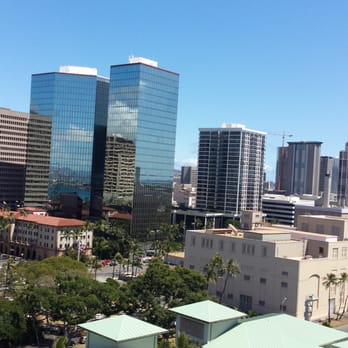
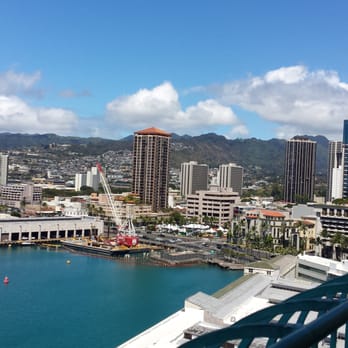


5 years ago
Good club. Poopy bathrooms. Went out for latin night and this was what the mens bathrooms looked like. I recommend they fix them ASAP if they want to stay in business. read more


12 years ago

I have been hearing a lot about this this place but never got a chance to check it out. Finally, after taking an all day island tour with my sister, her husband, their two grandchildren and my sister-in-law, we decided to check out what is happening in this place as well as looking for fine dining. With the sun already set, as well as it was getting dark, we did not get a chance to really walk around. This place reminds me a little bit of Port of San Francisco where you see the tower clock as a landmark by the Bay bridge. We only walked one side of this place. It is not really a big place. Unfortunately, most stores were already closed when we came. I guess it is a good thing so I can save myself from shopping. One convenient thing is a place to park the car. Knowing that Hawaii is a tourist place, even if at night, it is still hard to find parking. But we immediately got one and that is what mattered. Next time, I want to check this place out where it is still daytime so I can enjoy what is there to see and offer. read more


8 years ago

6 years ago

CHORUS: Aloha oe, aloha oe E ke onaona noho i ka lipo One fond embrace, A hoi ae au Until we meet again CHORUS (translation): Farewell to thee, farewell to thee The charming one who dwells in the shaded bowers One fond embrace, 'Ere I depart Until we meet again - Aloha 'Oe (Farewell to Thee), Words & Music by Queen Lili'oukalani 1878 The romantic song, Aloha 'Oe, was penned by Queen Lili'oukalani in 1878 after a horseback ride into Maunawili where she witnessed fond embrace as part of a farewell with a lei. It also was transcribed by the Queen during her imprisonment during the Overthrow of the Kingdom of Hawai'i so this song is also seen as a country that was lost. Aloha 'Oe became internationally linked with Hawaiian culture since 1883 and continues to be popularized even up to present day. Oh, but, I digress as this review is about The Aloha Tower. Since 1926, the Aloha Tower has stood as an iconic tourist attraction as does the song, Aloha 'Oe. The Aloha Tower stands at Pier 9 and is considered a landmark as recognizable as the Diamond Head State Monument. This 10-story tower built in Late Gothic Revival, Art Deco architectural style was built at the astronomical cost of $190,000. The Aloha Tower has stood as a beacon of "Aloha" as it greeted shipping and passenger vessels from around the World. Just as the Statue of Liberty in New York, the Aloha Tower has also greeted hundreds of thousands of immigrants to Honolulu. The modes of transportation or travel changed from sailing ships to steam boats to air so its popularity as a tourist attraction has waned. Although, cruise liners still dock at Honolulu Harbor's Pier 10 where tourists disembark into the Aloha Tower Market Place. While walking around the Honolulu Harbor, we stopped at the Aloha Tower to take in its 184-foot height and its observation deck (4 lookouts) which offers a 360-degree view. As you exit the tiny elevator (capacity 6 people), take a few moments to go out to each look out. As you walk COUNTERCLOCKWISE to each deck, you'll see: -The first view to your right of the elevator is a look out over Pier 9 to Ala Moana. -The second view looking towards the mountains (Ko'olau Range) is downtown Honolulu, Chinatown, its financial district and many condominiums. -The third view looks West toward the Wai'anae Range over the Kāpalama Channel, Kāpalama Basin and Sand Island -The fourth view (saving the best for last) overlooks the Main Harbor Basin and Main Channel, Fort Armstrong, Sand Island and Mamala Bay. There is so much history (Hawaiian and maritime) that the Aloha Tower has stood through other than being a symbol of welcome to our islands. Its huge clock that was installed in 1926 was the biggest in the Territory of Hawai'i and was one of the largest in the United States AND it's STILL keeping accurate time! A certain romanticism exists when reading about the steamships such as Matson Lines' SS Lurine that routinely brought tourists and immigrants into Hawai'i and streamers were hurled from boat to shore as Aloha 'Oe was played. Young locals would swim out into the harbor to greet the ships while passengers were entertained by hula dancers performing on board or on the piers and everyone was greeted with fresh flower lei and dance. Duke Kahanamoku set his first World Record in the waters at pier 7. And during the Attack on Pearl Harbor, the tower sustained some damage from bullets or bomb shrapnel. During WWII, the tower was painted in camouflage colors. It's a FREE self-guided tour and you can walk about the piers through the Aloha Market Place (now converted into Hawaii Pacific University Dorms and classrooms). Parking can be found at Irwin Park (now paid parking lot with validation from PARTICIPATING businesses) fronting the Aloha Market Place or park in any of the municipal parking lots. read more


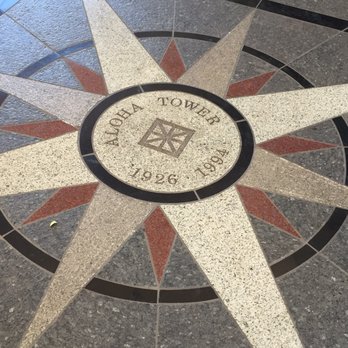

I really have only stopped by here to eat at Hooters because some of my friends love the All You Can Eat Wings Special. I have also been to Gordon Biersch and most recently, Nashville Waikiki. One thing that is great is the harbor view. It's nice watching the large cruise ships dock and venture out. The sunset is really nice here too. One thing that I don't like too much is that even though you get a validation for your parking ticket, you still have to pay anywhere from $5 or more. Street parking is available though if you don't mind walking from downtown or Chinatown. If you come on Sundays, street parking is free. read more


10 years ago
Kind of sad when you wander through the desolate Aloha Tower Marketplace, now converted to college dorms for HPU. Somehow Gordon Biersch and Hooter's have survived, with a new addition, Nashville Waikiki. There is a Barnes and Noble bookstore, definitely geared for college students. The Palama Market has the essentials with a few Asian treats offered as well. There is also a large outdoor concert venue, which I have enjoyed for numerous shows. I hope for more options in the future that appeal to locals, too. Such a special, beautiful place that deserves to be enjoyed. What a great opportunity for the students who dorm there- to live in a place where thousands of tourists poured through when cruise ships where the only way to access our beautiful Islands, and young local boys dove into Honolulu Harbor to retrieve the coins that the malihini's tossed into the water. And the Aloha Tower was the tallest building on Oahu! read more


Cool views from the top. Old, creaky elevator brings you up ten floors with views from all four sides. They check your bag before you go up and the hours are limited. Maybe 9-5? The complex as a whole is pretty dead and more catered towards college students. Would be nice if something moved in to liven it up! read more


Haven't been here since I was a kid.. Decided to come here since I was on vacation :) As a historic building, this building has aged. Prior entering the elevator, which is very scaaarrry, I was greeted by the security woman :) She was a cute Filipino woman that mistakenly thought I was someone she knew :P Went up and had a 360 view of the boat harbor and parts of the leeward side. Aloha Tower seems to be a ghost town now that many shops have closed. Overall, this is just an "okay" pit stop. read more


Free! Take the elevator to the 10th floor. Once up there you get an excellent view of Honolulu. You get to see the mountains and the pier too. There are 4 separate viewing sections. There is also an icy cold water cooler too. A must do! read more


11 years ago

12 years ago
Cyndy's Bottom Line: A beautiful historic landmark. Aloha tower was built in 1926 as a fitting welcome for the boatloads of tourists arriving at Honolulu Harbor back in the 1920s and '30s. The ship passenger arrivals were dubbed "Boat Days," were lively celebrations that often involved the entire community. Many locals even left work early to take part in the festivities. read more
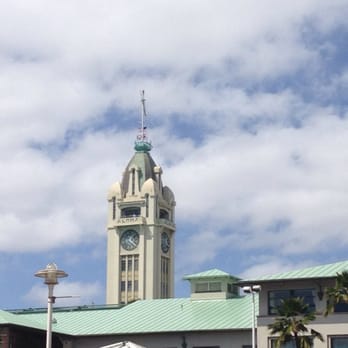


I can only ever recall coming here five times in my life, most recently for a conference, to eat BBQ, and to catch a Poliwrath back when Pokémon Go was a thing. Hawai'i Pacific University purchased the property and converted some of the space into dormitories and classrooms. Very few of the retail spaces are actually rented out. There are a handful restaurants-- Gordon Biersch, Hooters, and Paniolo Smokehouse with a Spaghetti Factory opening soon. Other than those places, a crossfit gym, and a convenience store, Aloha Tower is pretty much deserted. Though, something is strangely alluring about venturing through abandoned places. You can catch the elevator up the tower if you want to. It used to be the tallest standing structure in Honolulu, hard to imagine that now. read more


Page 1 of 2
More info about Aloha Tower
Aloha Tower Reviews in Other Languages
Ask the Community - Aloha Tower
Is there a public family restroom here?